



Preparing the Linne

Preparing for the journey and taking the time to experience it
A polar expedition begins long before casting off the lines. It is born from a desire, takes shape around a vessel, and develops through hard work, careful thought, and trials.
In 2026 & 2027, the LINNE will experience this chapter of its story: completing its preparation, testing its equipment at sea, and finding its rhythm before future Arctic expeditions. We invite you to follow this adventure, with its milestones, questions, and the joy of watching a project come to life.
A sailboat designed for exploration
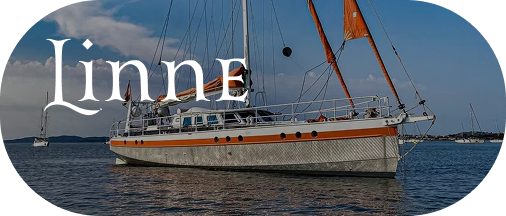
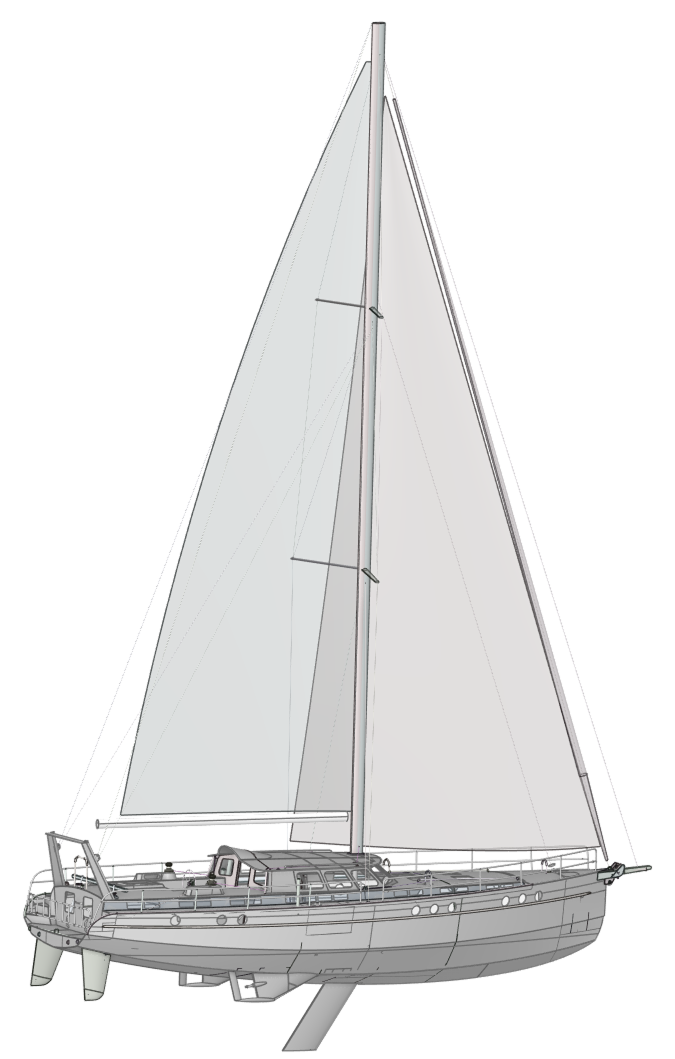
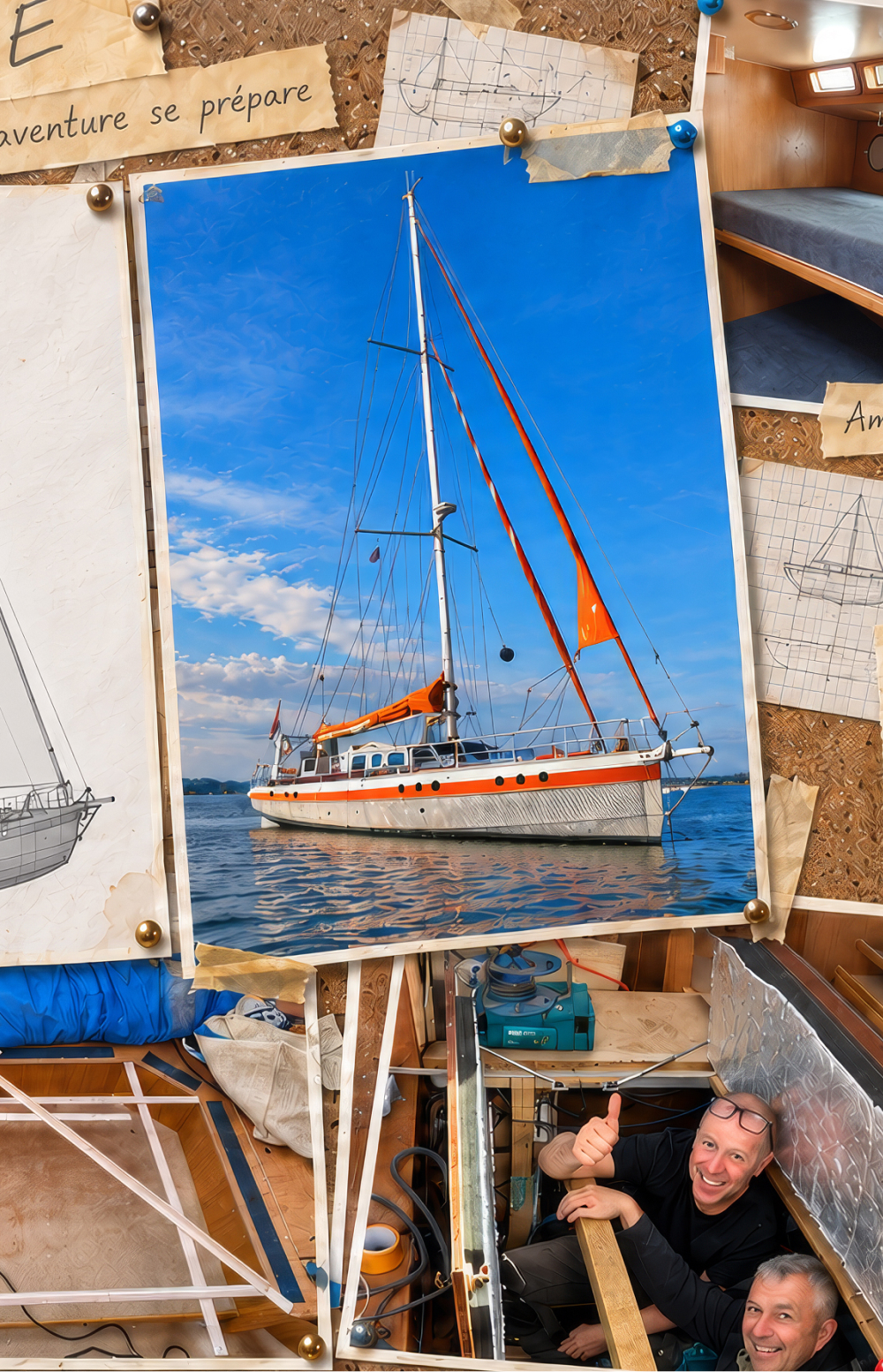
Built in 2016 at the META shipyard to a design by Jean-Pierre Brouns, the LINNE is an aluminum sailboat measuring nearly sixteen meters. Its Strongall hull, shallow draft, and lifting centerboard form the foundation of a vessel built for travel and exploration.
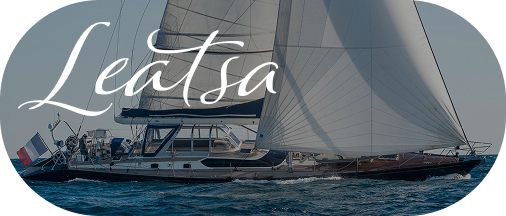
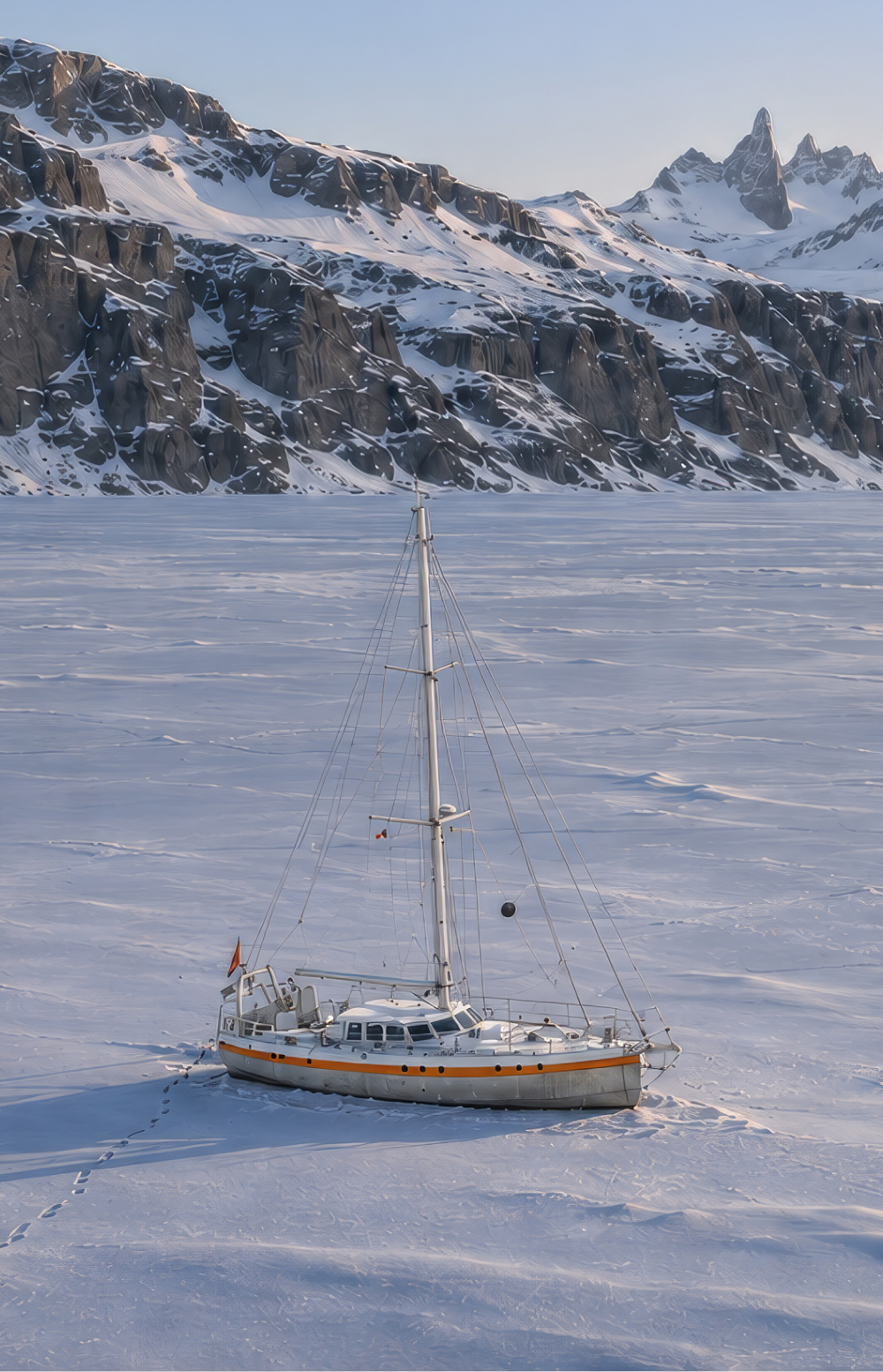
With a distinct personality of its own, it extends the adventure already begun with the LEATSA. Its preparation stems from the same desire: to experience landscapes up close, reach secluded anchorages, and discover lands from the sea.
To achieve this, the boat, its equipment, and the life of those it will welcome must be thought through as one.
Preparing a refuge for cold regions
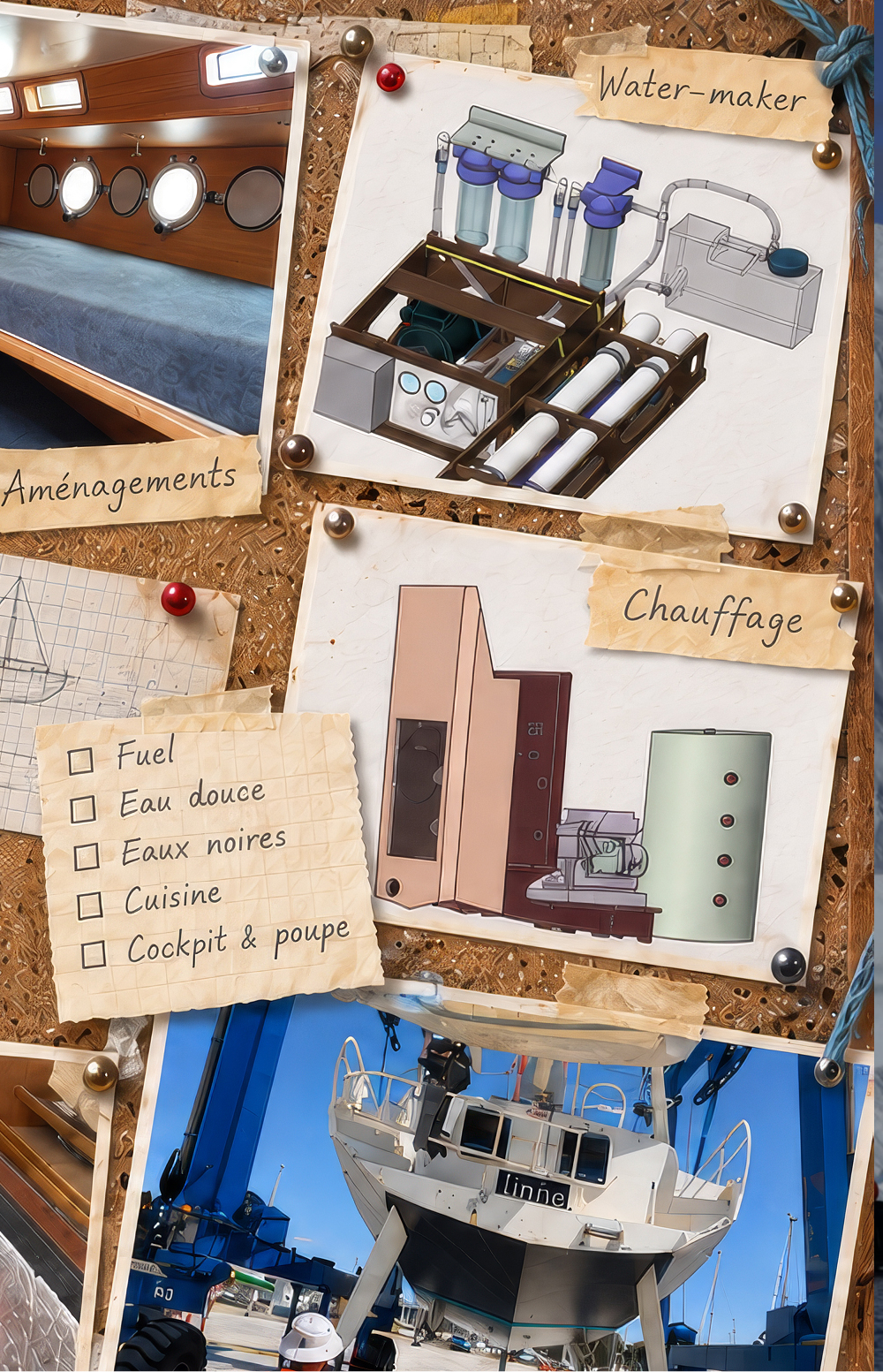
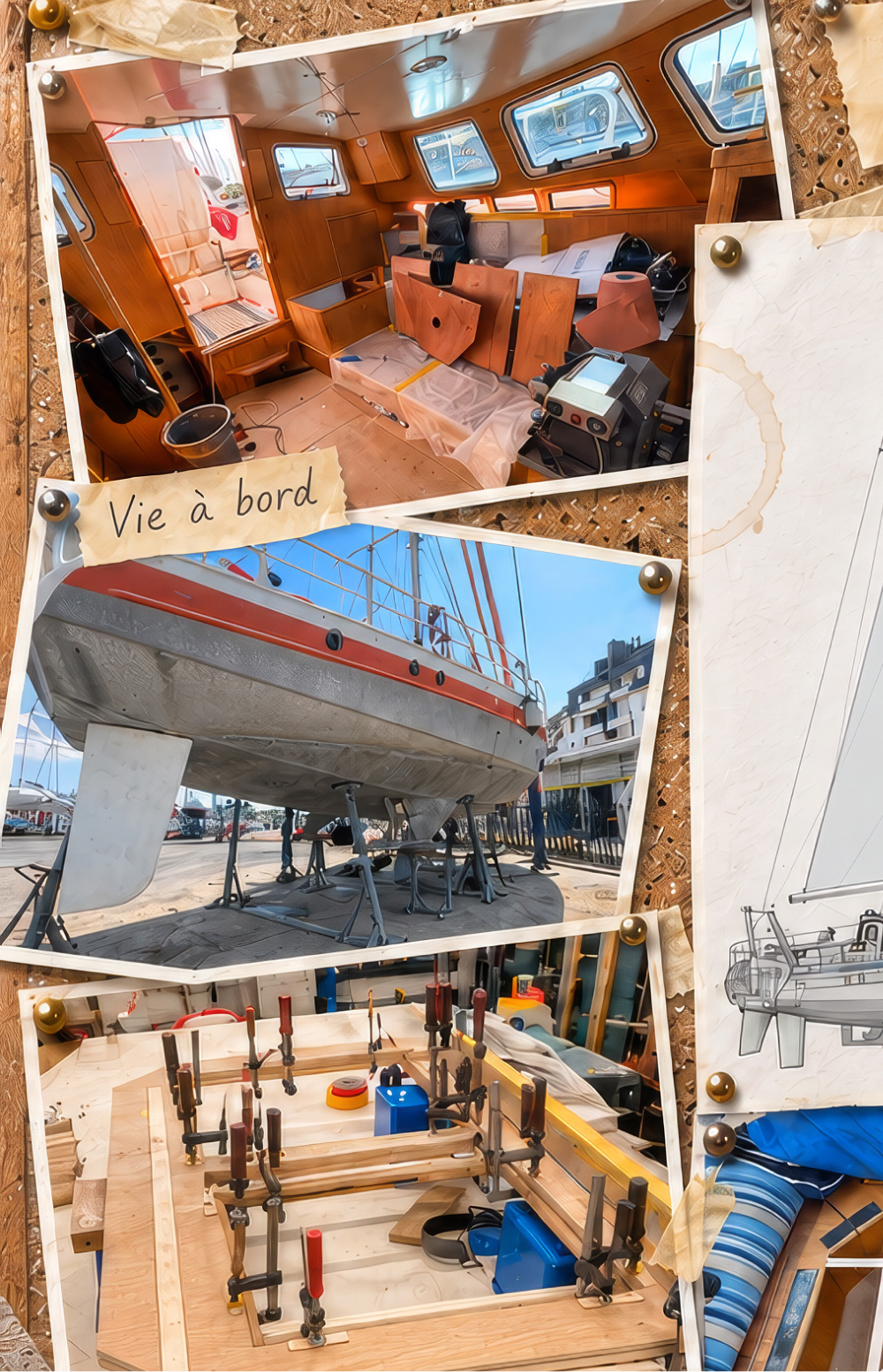
A major part of the work involves interior renovations: organizing cabins, adapting living spaces, upgrading sanitary facilities, and planning storage for clothing and expedition gear.
Heating and hot water production are essential priorities. After a day spent outdoors, returning to a welcoming interior, warming up, and drying gear contribute fully to the quality of the journey.
Every choice must find its place within a limited space, remain accessible for maintenance, and suit the realities of life at sea. It is patient work, built on measurements, drawings, fabrication, and adjustments.
Building self-sufficiency on board
Self-sufficiency is also prepared down to the smallest detail. Power generation and storage, freshwater supplies, the watermaker, and fuel systems are among the installations that will allow the LINNE to operate far from ports.
Navigation instruments and communication systems complete this preparation. Their value is measured by their reliability and the ease with which the crew can use them, monitor them, and service them when necessary.
Behind every piece of equipment, one question remains central: how to make the boat comfortable, intuitive to understand, and easy to maintain during an extended voyage?
Moving from the shipyard to the sea
Sea trials will give true meaning to the work. An installation that performs well at the dock must still be observed when the boat is underway, heeling, vibrating, and meeting changing conditions.
It will be necessary to verify the operation of the heating, water, and electrical systems, measure consumption, observe behavior under sail and engine, and then correct whatever needs adjusting. These passages will also provide an opportunity to evaluate everyday routines: cooking, moving about, resting, reaching equipment, or preparing for a landing.
This period will be a time of mutual learning. The crew will discover the LINNE’s reactions, its qualities, and its needs. Gradually, the equipment will become second nature and the boat a familiar traveling companion.
Finding the LINNE’s rhythm
Beyond the technical aspects, these initial passages will reveal a way of life on board: choosing an anchorage, watching the light, going ashore for a walk, and then returning to the boat to share the day’s impressions.
This is where the spirit of POLAR-SAILS truly comes to life: opening up to our surroundings, matching our pace to the wind, the sea, and the landscape. Getting to know the LINNE is also about preparing for that opportunity to reconnect with oneself and step back into the rhythm of nature.